Where the Liberal Arts
and agriculture collide
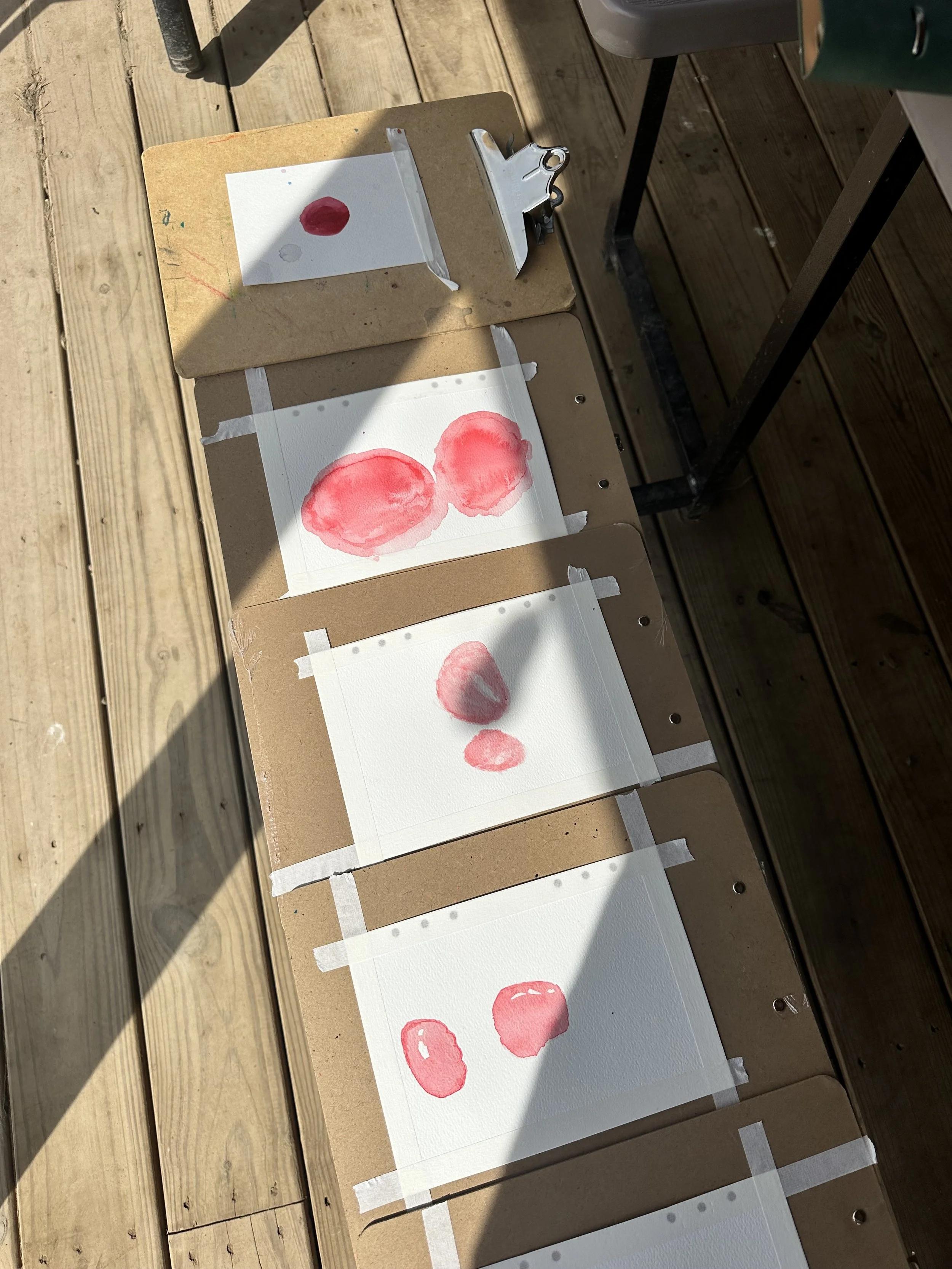
The Liberal Arts
The liberal arts invite students into the great conversation of humanity.
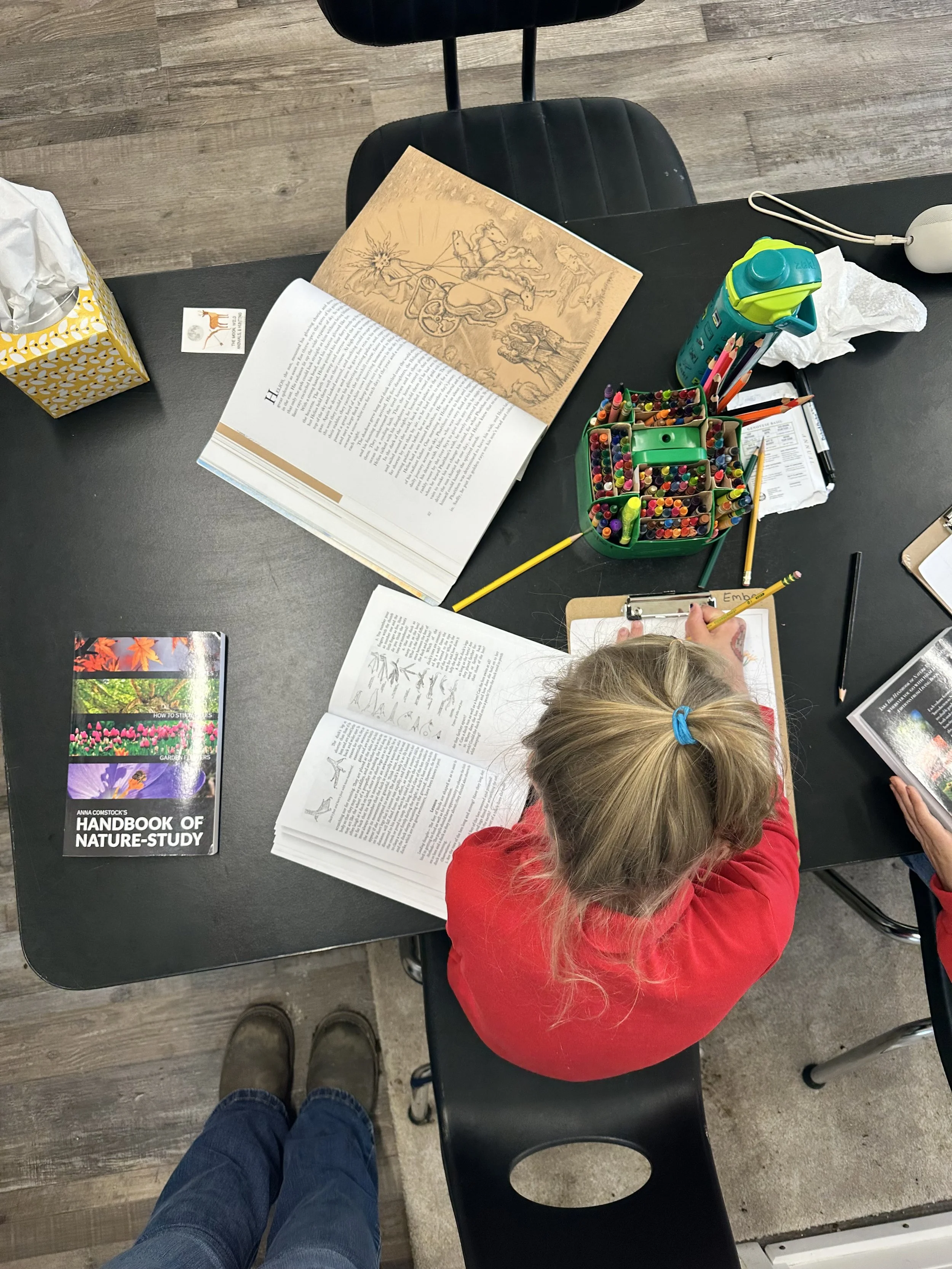
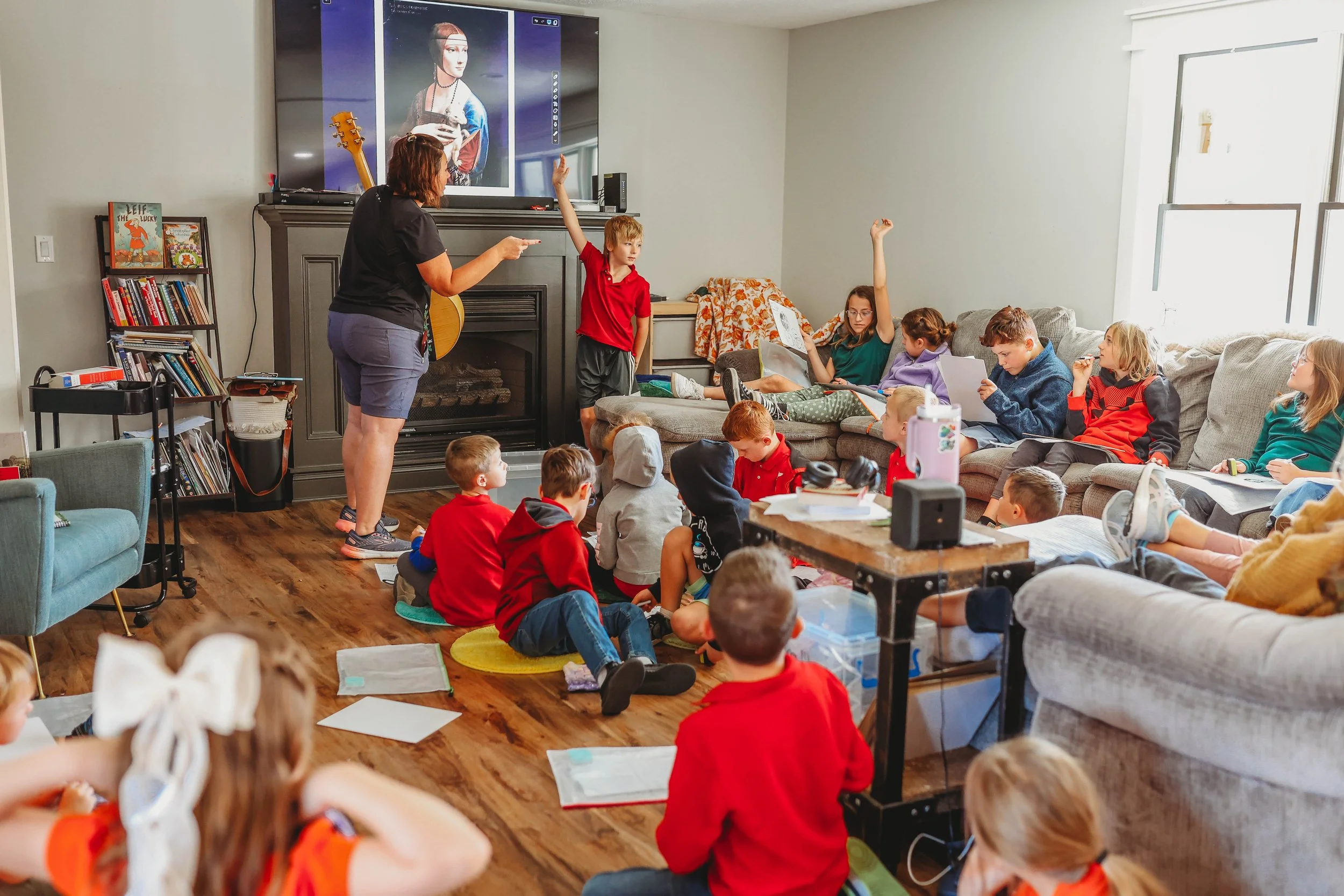
Through literature, history, science, mathematics, art, music, and the study of ideas, students encounter what is true, beautiful, and worth knowing. We favor living books, thoughtful discussion, careful observation, and meaningful connections over simply memorizing information for a test.
Our approach is deeply influenced by Charlotte Mason and her belief that “education is an atmosphere, a discipline, a life.” Children are persons, and we believe they deserve an education that is broad, generous, and intellectually alive.
Agriculture
Agriculture brings those ideas into the real world.
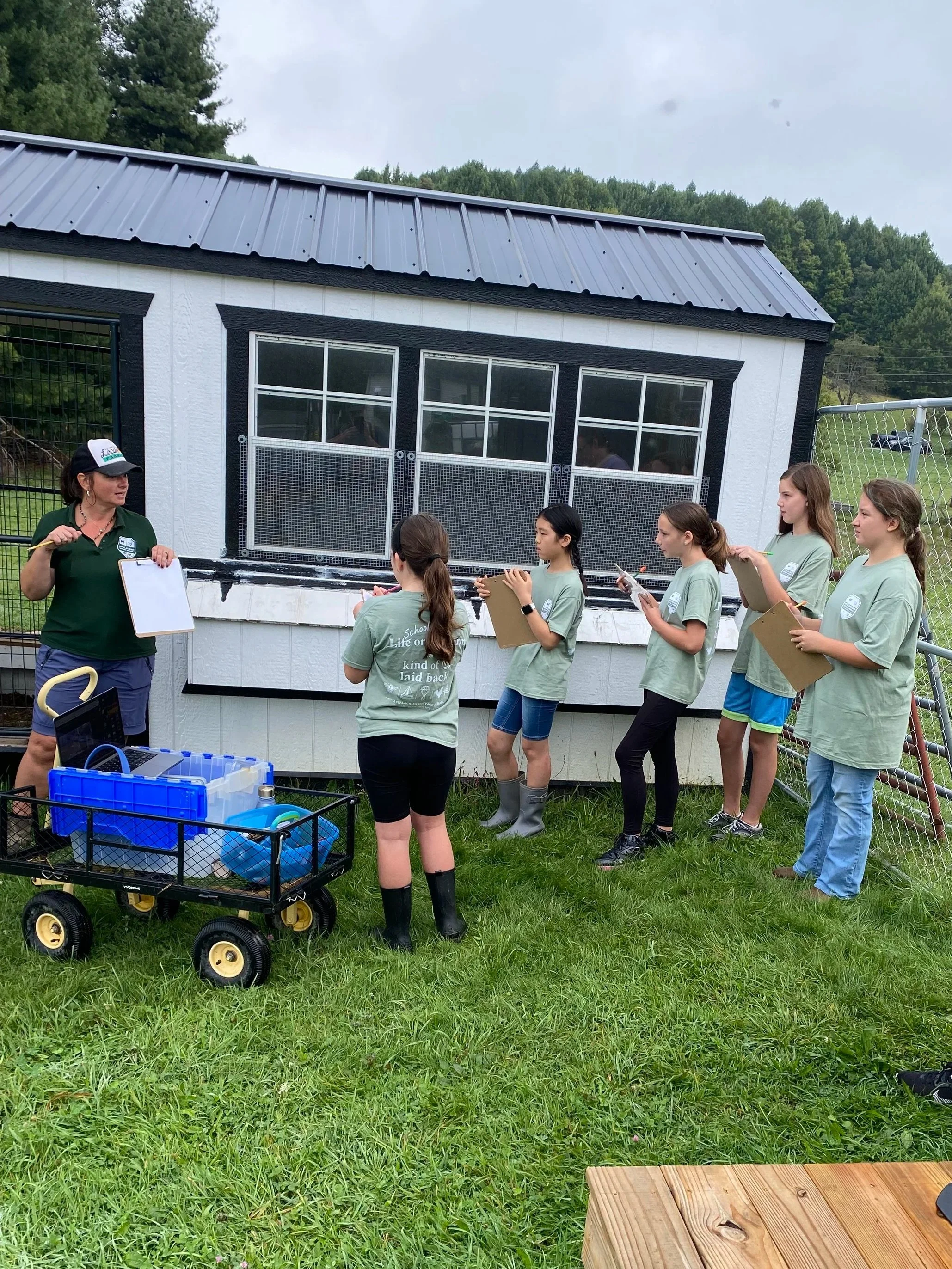
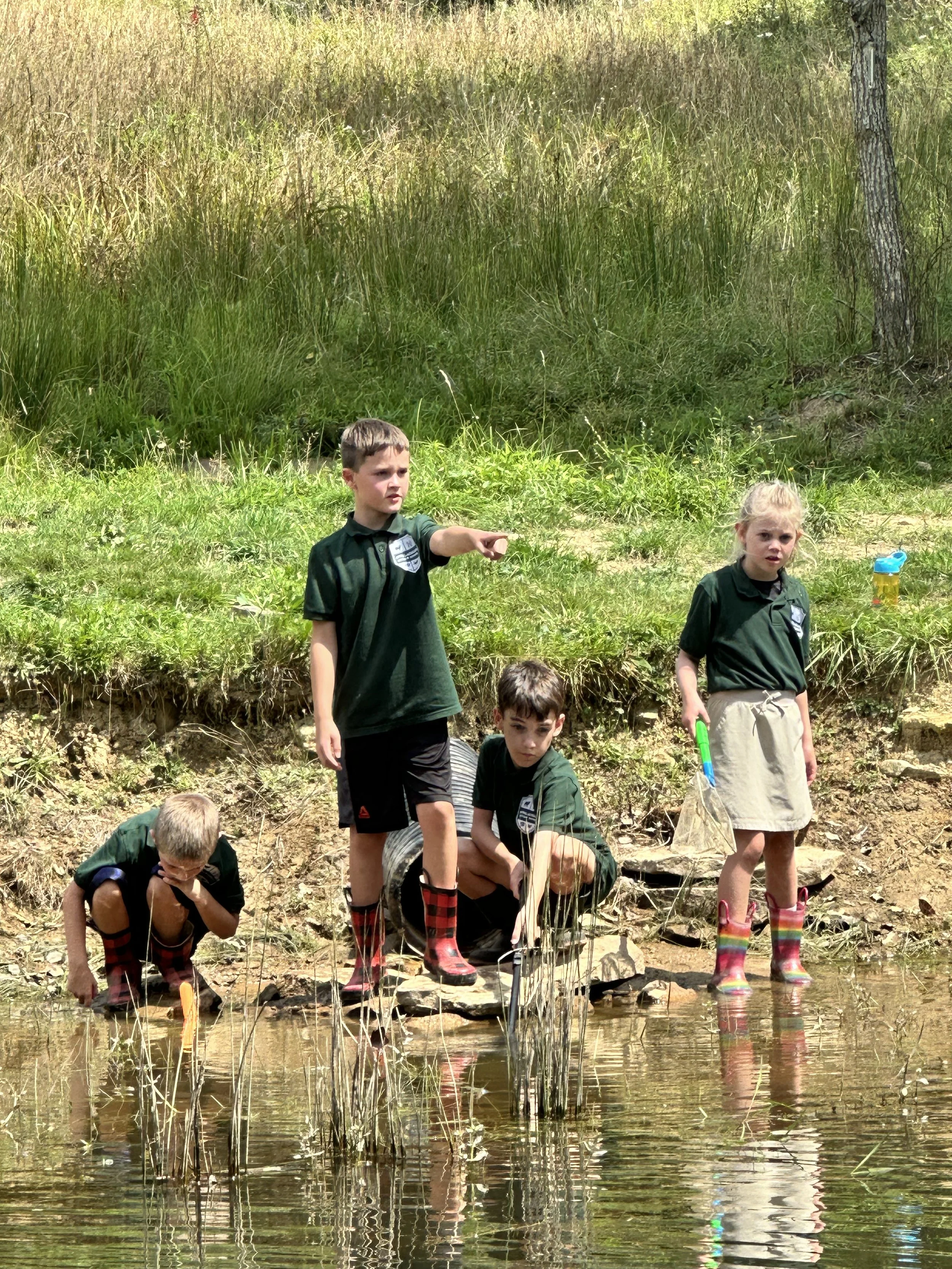
The farm offers something a classroom alone cannot: living systems to observe, problems to solve, work that matters, and the opportunity to see that knowledge has purpose.
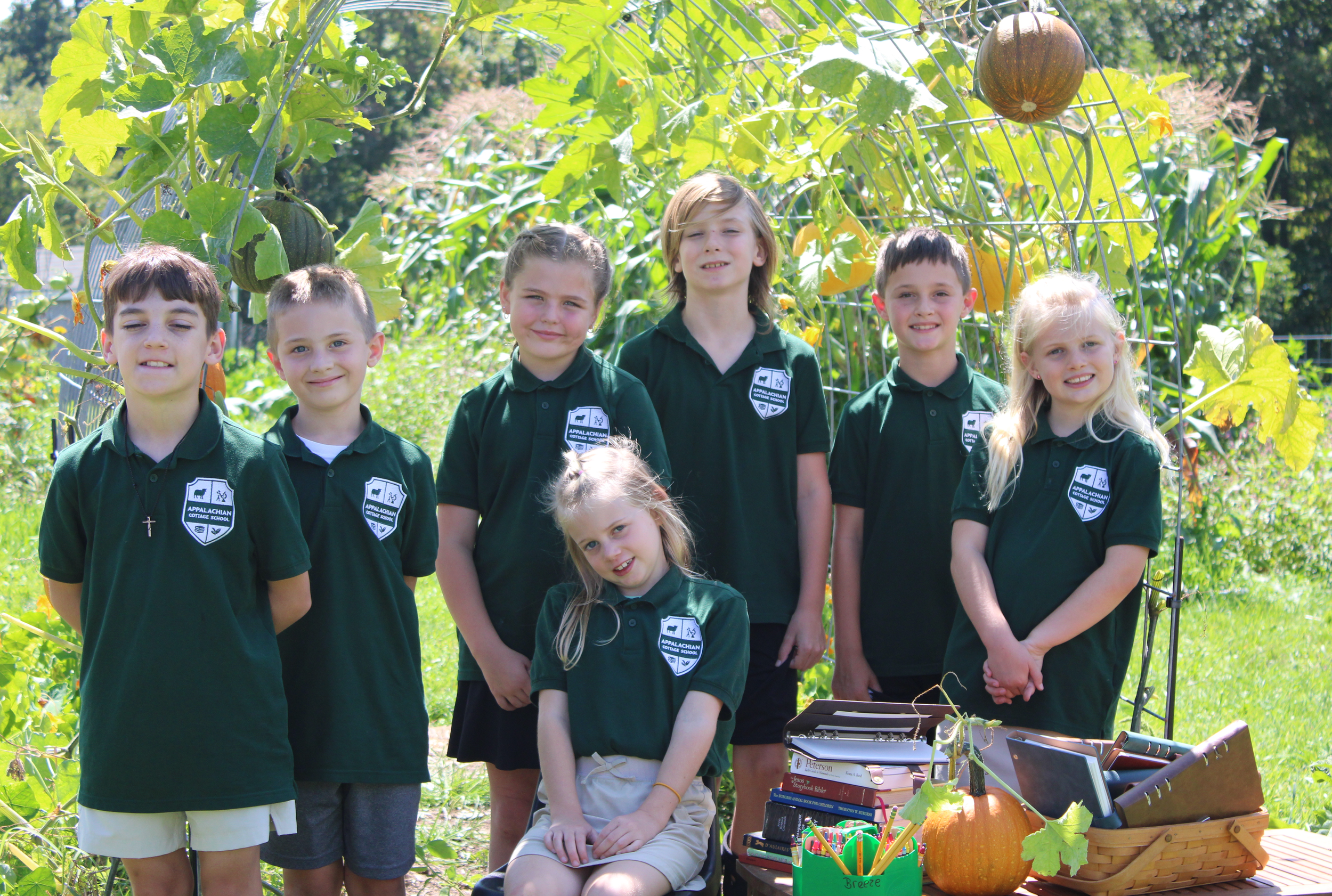
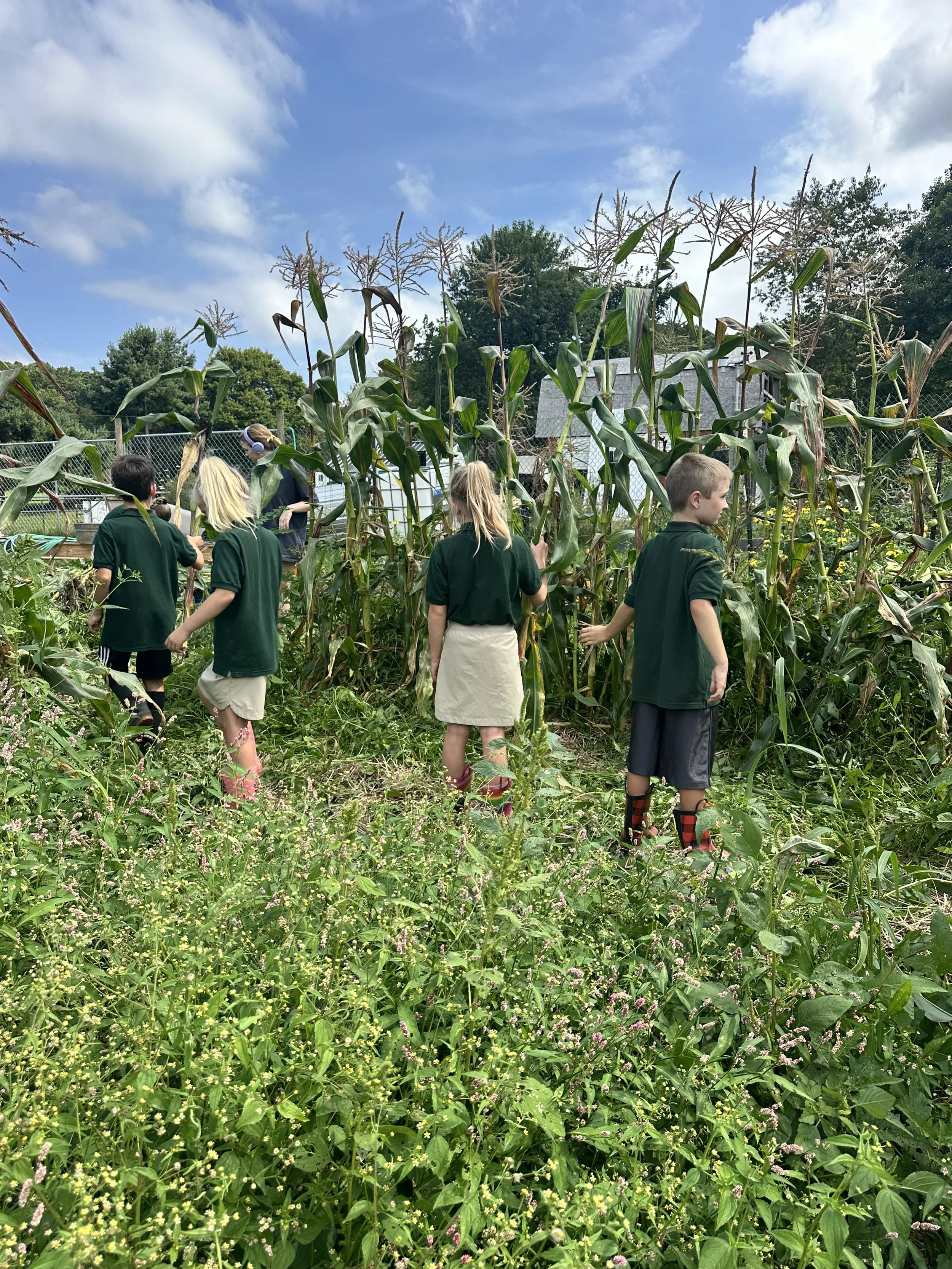
A garden becomes a laboratory. Seasons teach patience and attention. Animals require responsibility. Growing food connects biology, chemistry, mathematics, weather, ecology, history, and economics in ways that are immediate and real.
We don't see academics and practical work as competing approaches to education. We believe children need both.
They should read beautiful books and know how to use their hands. They should encounter great ideas and understand the natural world around them. They should learn from those who came before them and develop the confidence to create, grow, build, solve, and contribute themselves.
That is where Appalachian Cottage School lives—
where the liberal arts and agriculture collide.
“A community is the mental and spiritual condition of knowing that the place is shared, and that the people who share the place define and limit the possibilities of each other's lives. It is the knowledge that people have of each other, their concern for each other, their trust in each other, the freedom with which they come and go among themselves.” - Wendell Berry